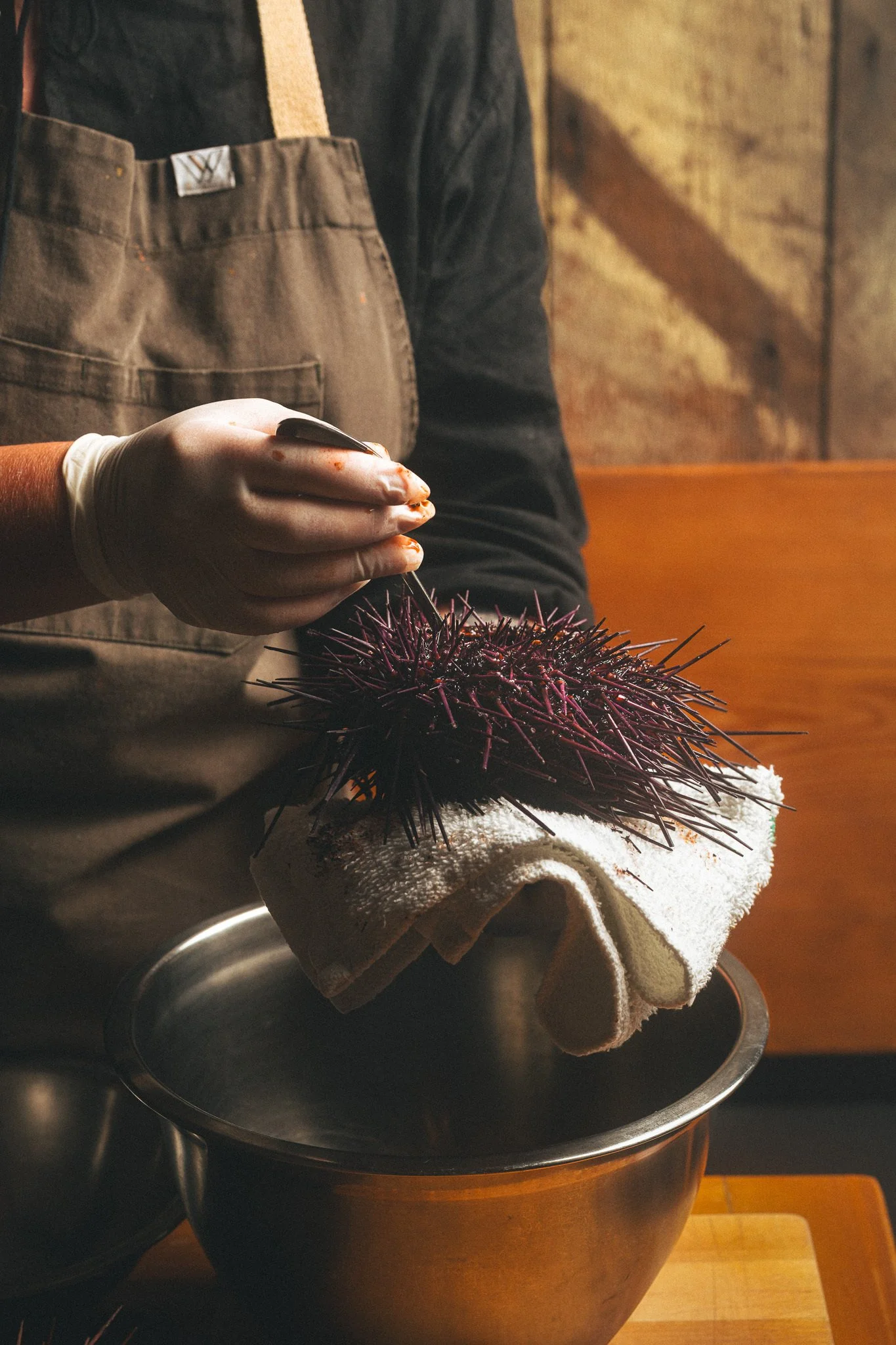
An ongoing collaboration, transforming the challenge of overabundant and invasive species into regenerative opportunities that move from wild to table.
Rebalance, Reframe, Reset
A Chef led Culinary Experience for Food + Nature Lovers.
Eat the Invaders - A Tasting Event
Can we re-balance damaged ecosystems through smart food choices + eat like royalty?
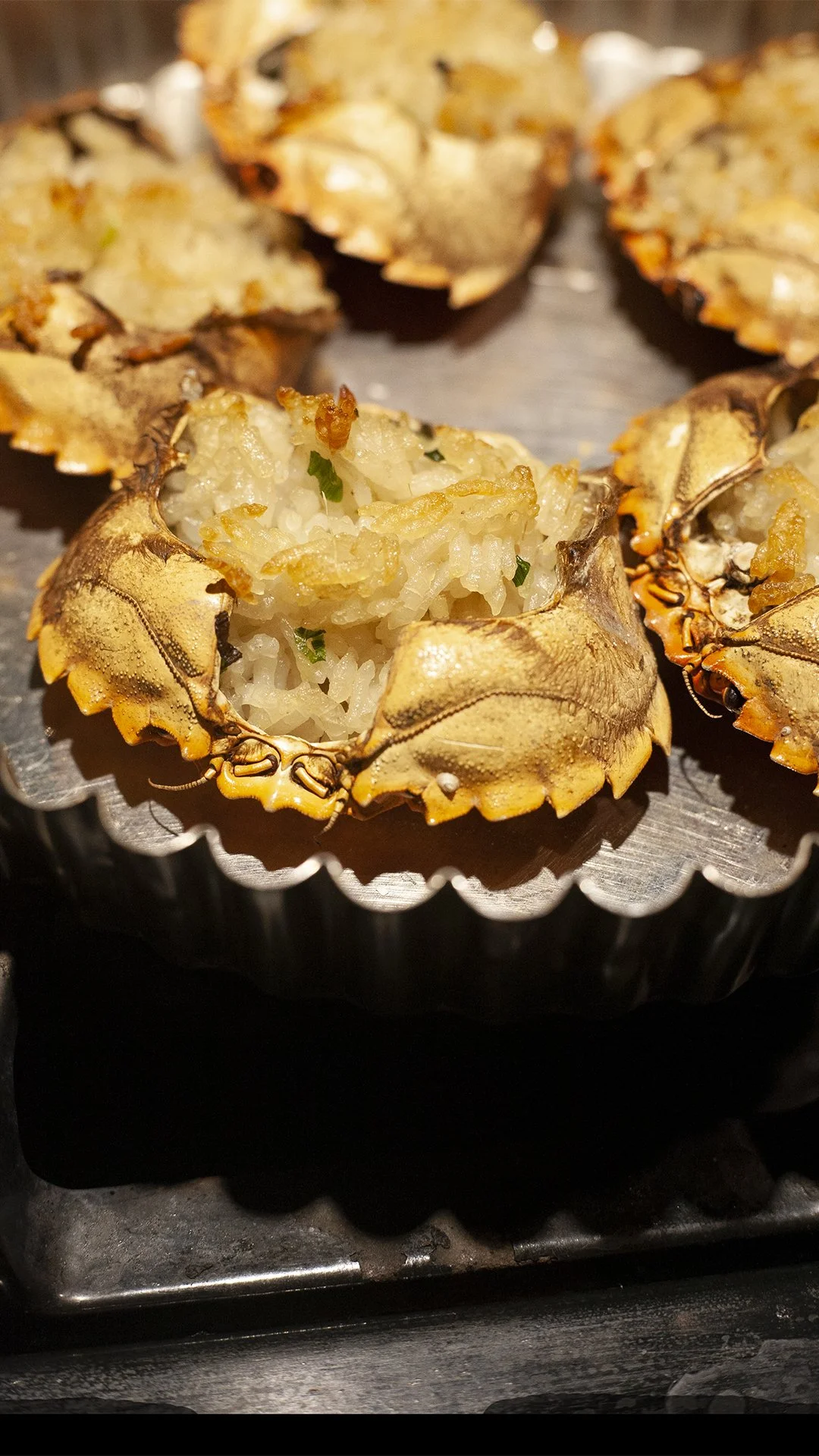
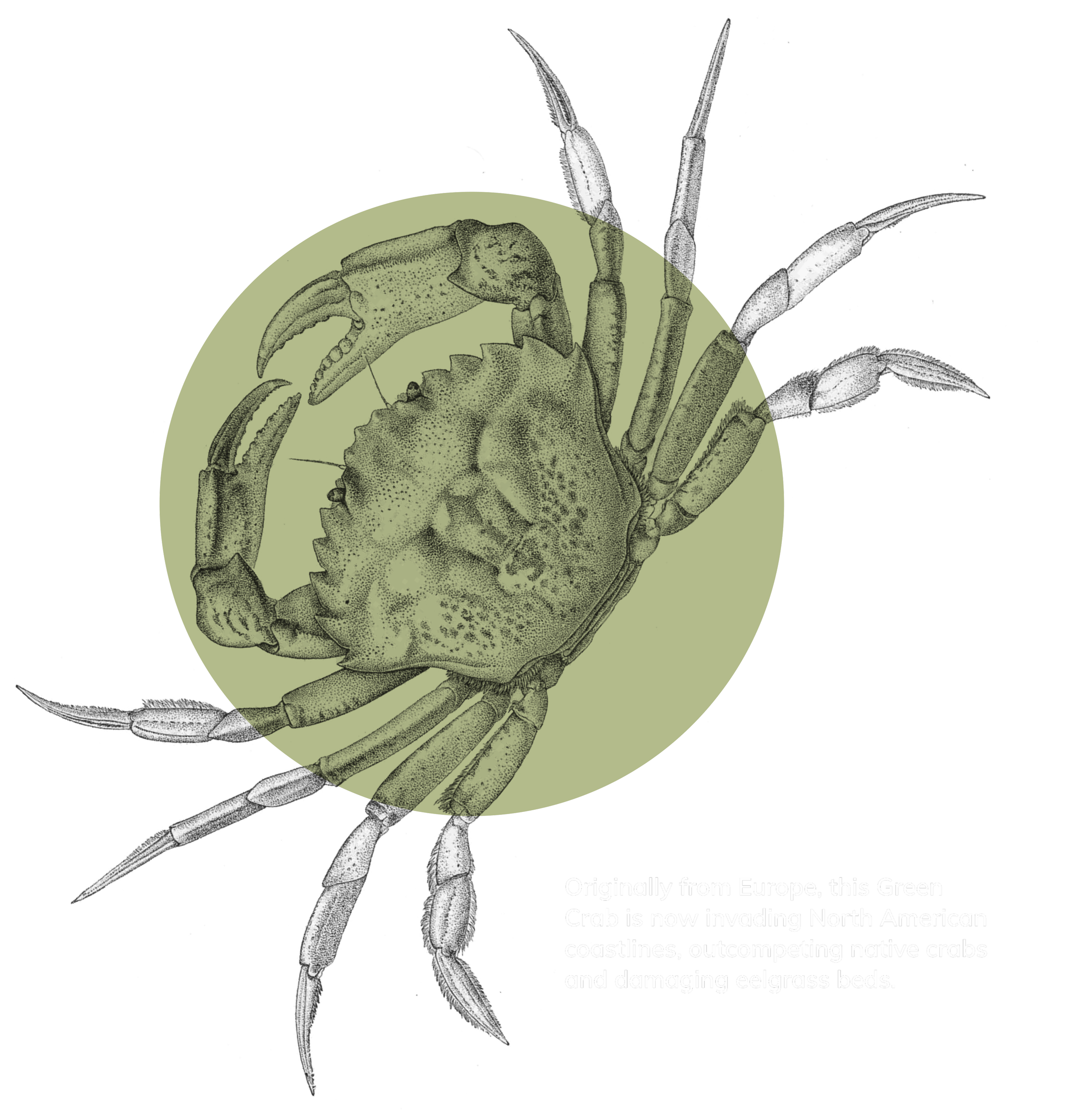
What’s on the menu? Invasive or over-abundant edible species like sea urchin, venison, rabbit, Manila clam, blackberry, burdock, dandelion, stinging nettle, European green crab, bamboo, Japanese knotweed, invasive seaweed, Pacific oyster. Indulge in nature’s overachievers.
12 Unique Tasting Moments, Curated by 12 Leading Culinary Teams
The inaugural ‘Eat the Invaders’ event at LaSalle College, Vancouver, was a sold-out success, bringing together food and nature lovers for an unforgettable evening of biodiversity-positive cuisine. We now look forward to future Biodiversity+ Design activations that continue to inspire new ways of thinking about taste, conservation, and ecological balance.
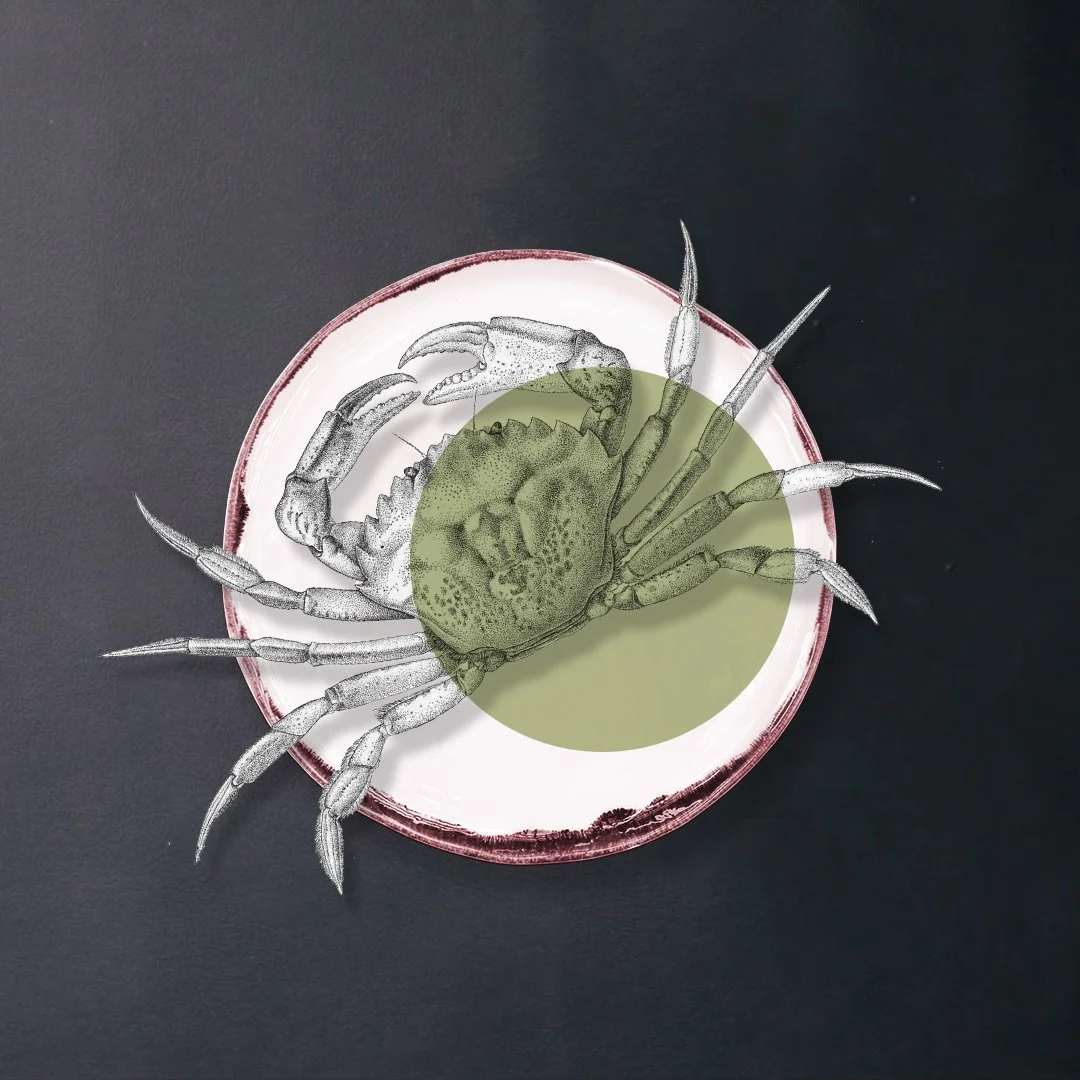
First Taste is with The Eyes
Illuminating the Boundless Potential of Unexpected Ingredients
A forest reborn at the edge of a plate. A kelp bed rebuilt by the touch of uni butter. The most rarefied meals becoming the most regenerative acts.
A collaborative activation of Biodiversity+ Design — where cuisine meets conservation. Each bite becomes part of a culinary adventure that reimagines how we nourish the planet, together.













Smoky & Citrus Uni Pâté
Uni pate, Rice Cracker, Smoked Sea Lettuce.
Chef Robin Kort

Spaghetti allo Scoglia
Spelt Spaghetti, Japanese Wireweed, Sea Lettuce, Pickled Bull Kelp, Smoked Seaweed Oil
Chef Matt Gostelow
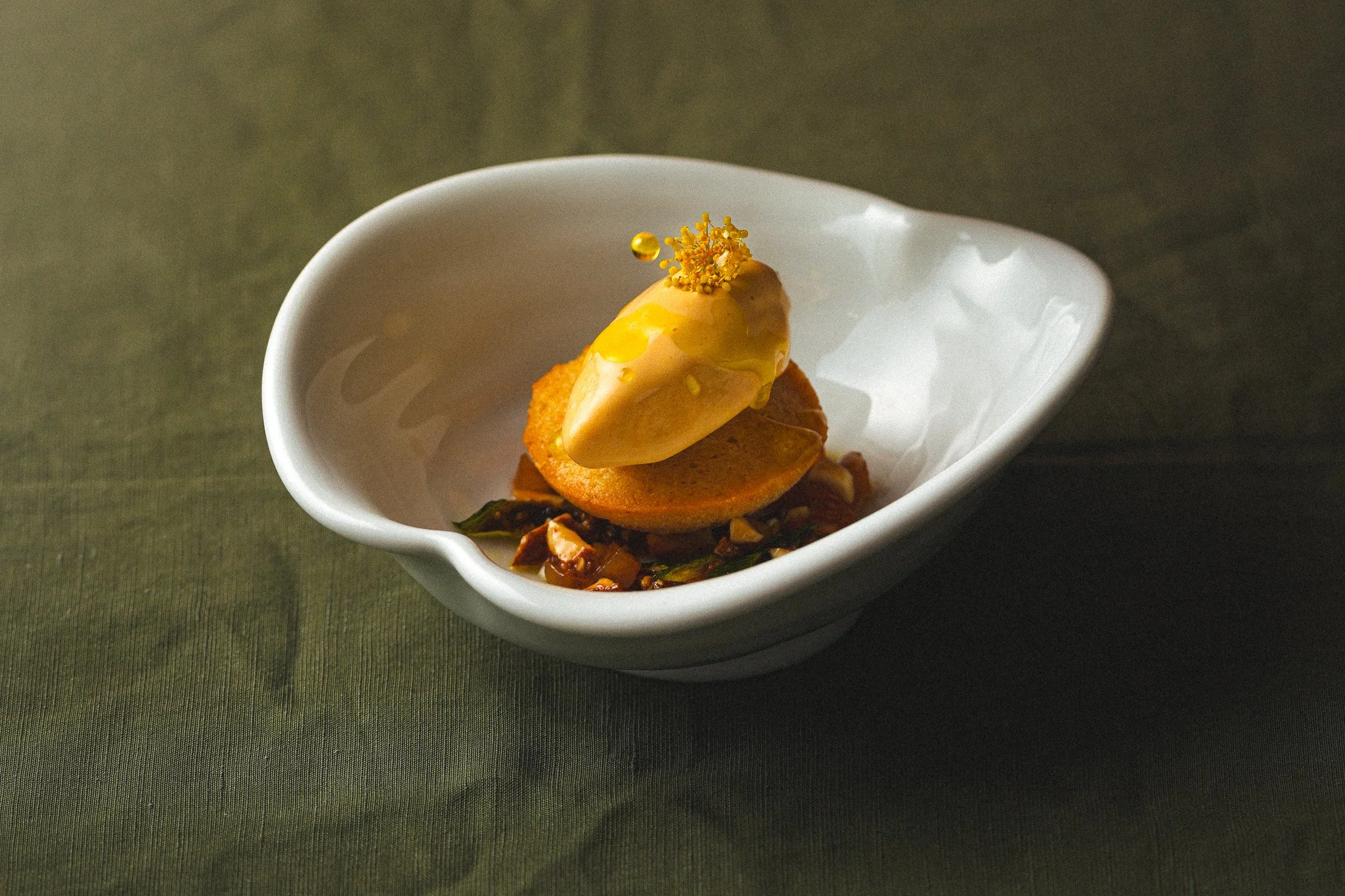
Uni Gelato
A savory, sweet dessert made from Pacific Giant Red Sea Urchin roe, braised burdock root, fig, candied almonds, and olive oil.
Chef Andrea Carlson
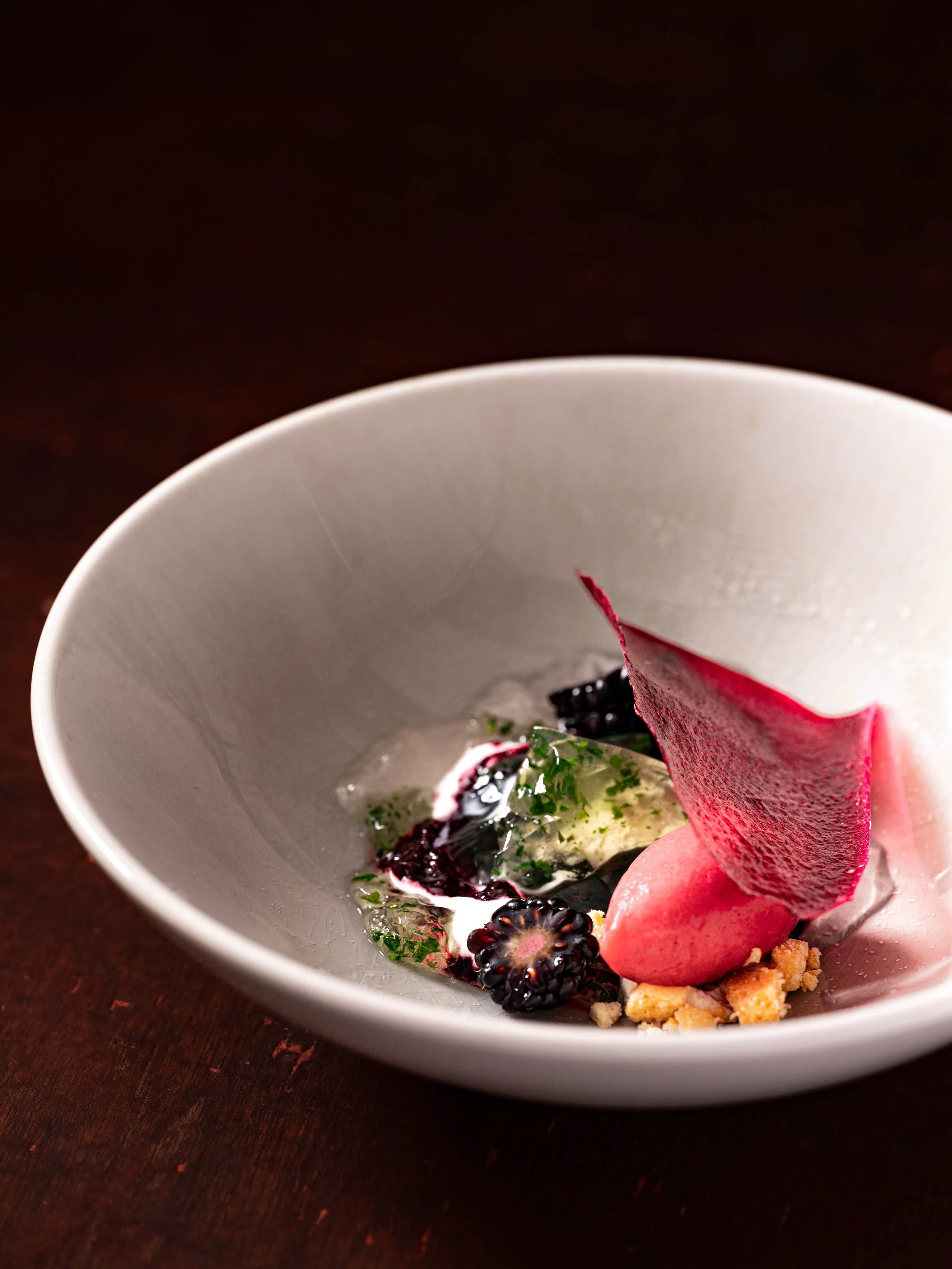
Blackberry Mojito Crumble
Wild blackberry compote, Stinging nettle jelly, Beet sorbet (Color of Biodiversity).
Chef Kenta Takahashi
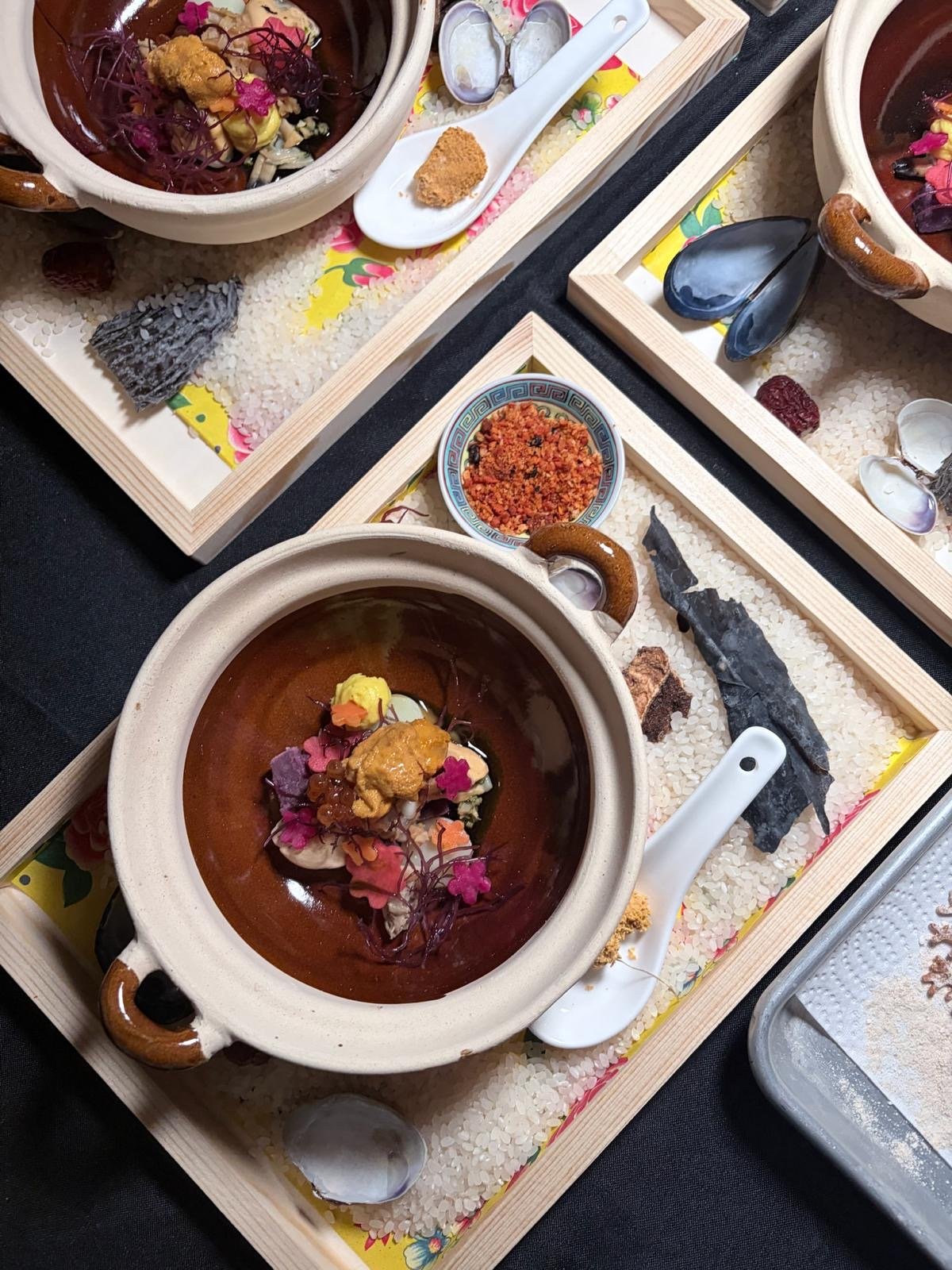
Kelp & Urchin Fragility
Moon bay kelp, Uni, smoke black cod pocket, alaria, urchin xo, wireweed tuille.
Chef Will Lew & Chef Sharon Chan
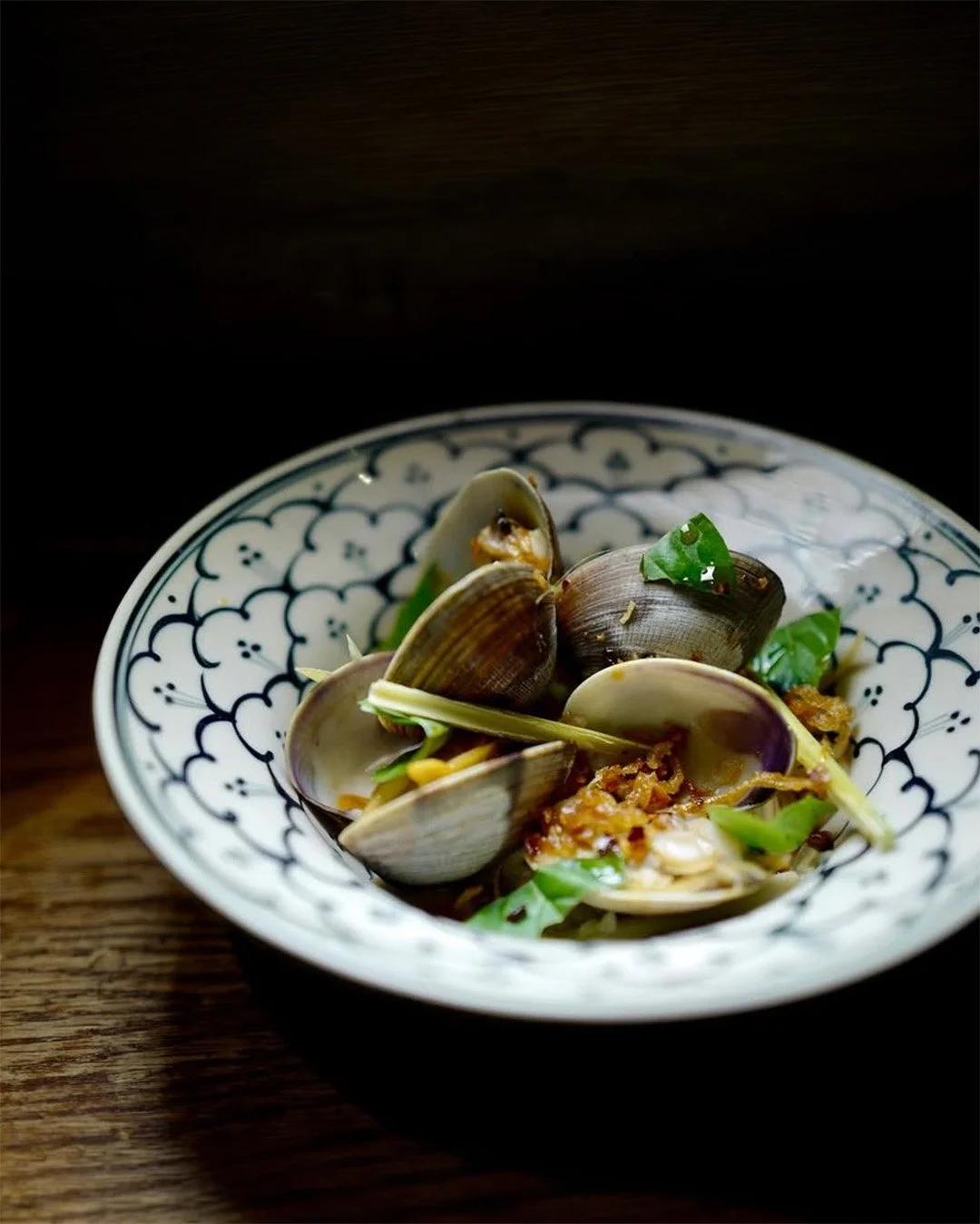
Lemongrass & Coconut Milk Manila Clams
Manila Clams, lemongrass, coconut milk, rau răm.
Chef Ly Nguyen
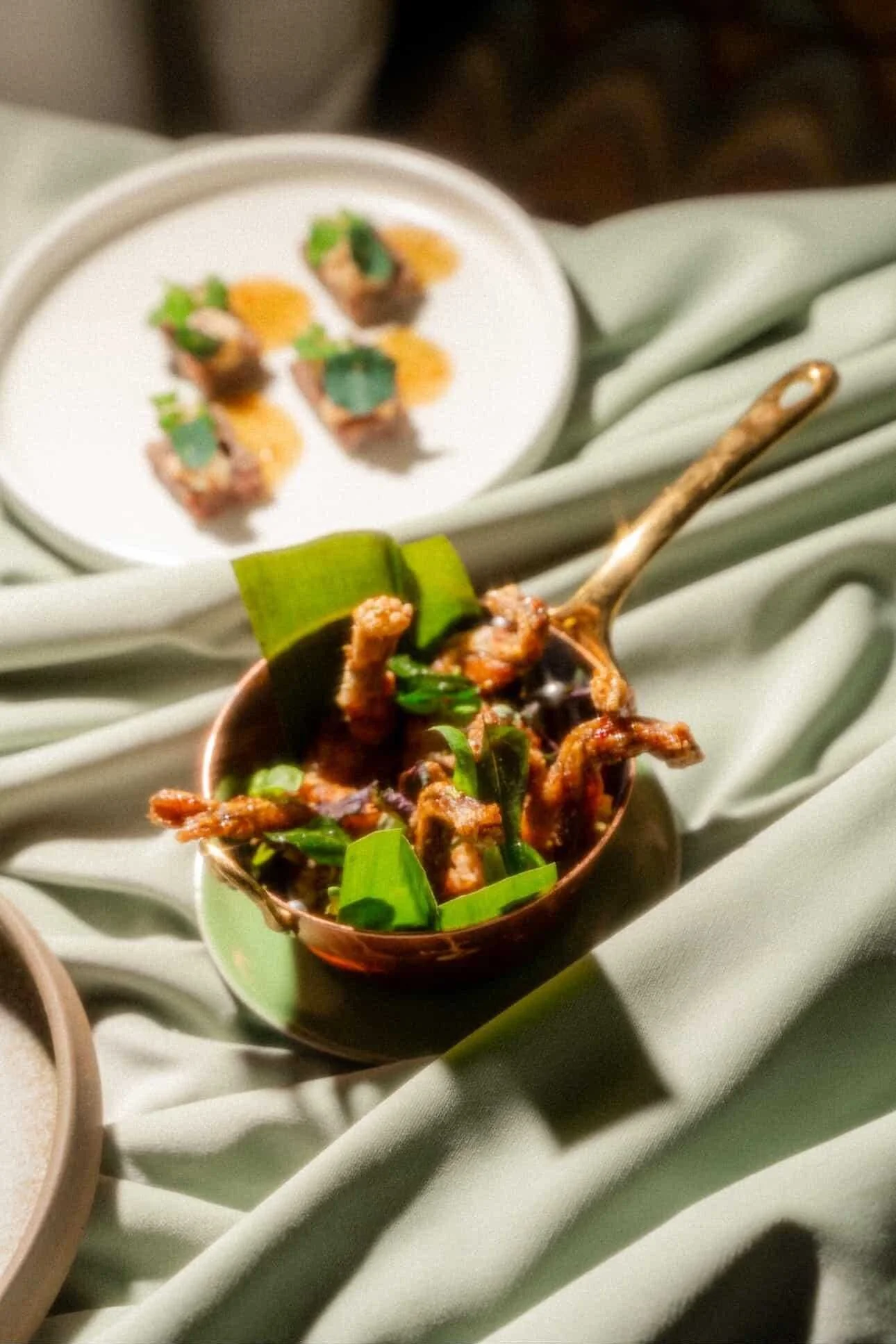
Crispy Frog Legs
Crispy frog legs with Mẹ’s chilli fish sauce glaze. Photo by Juno Kim.
Chef Kenji Nguyen
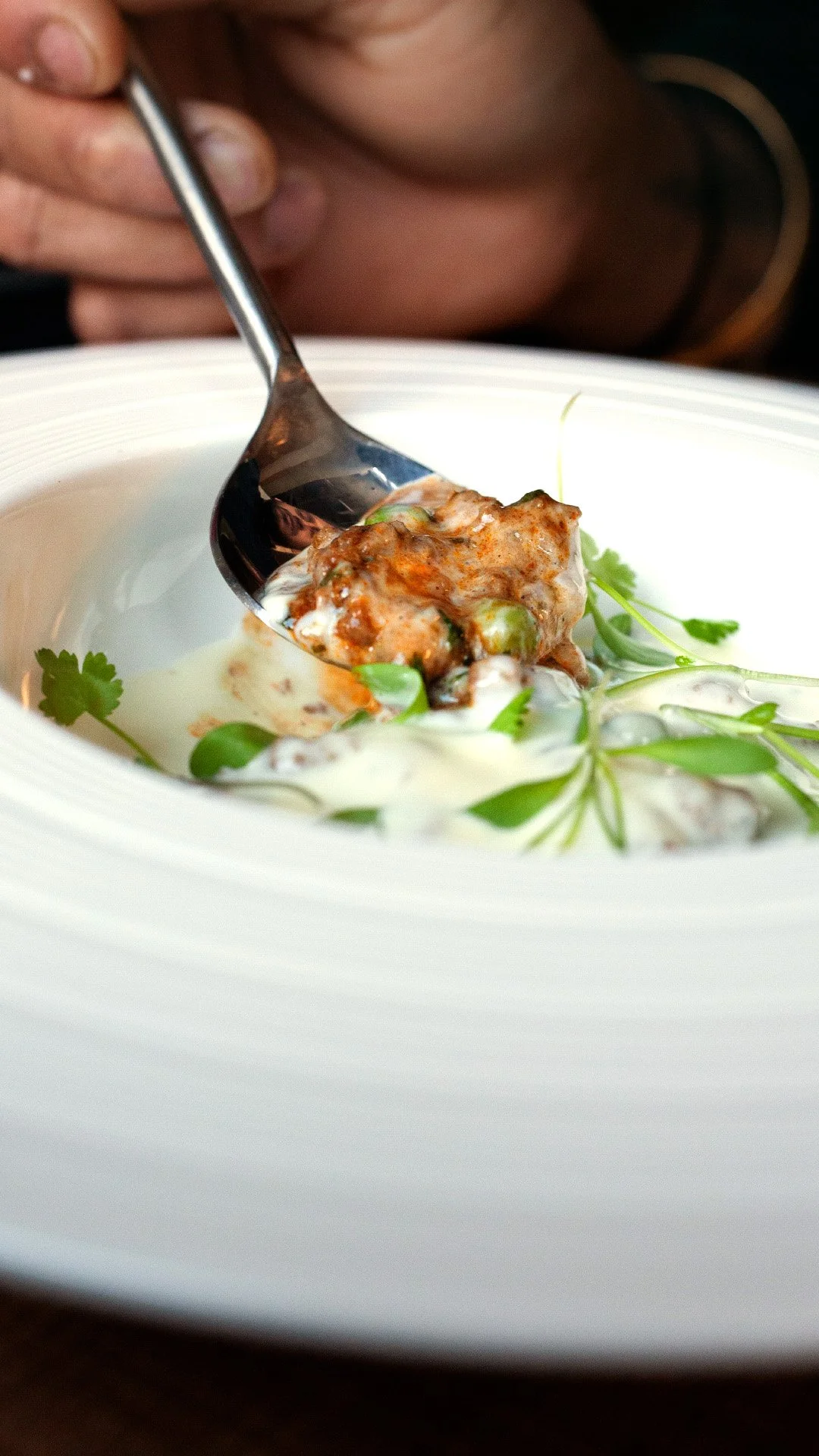
Venison Kheema
Garam Marsala, Red Chili, Potato Foam, Bc Venison, Spring Peas & Wild Greens, Crouton.
Chef Tushar Tondvalkar
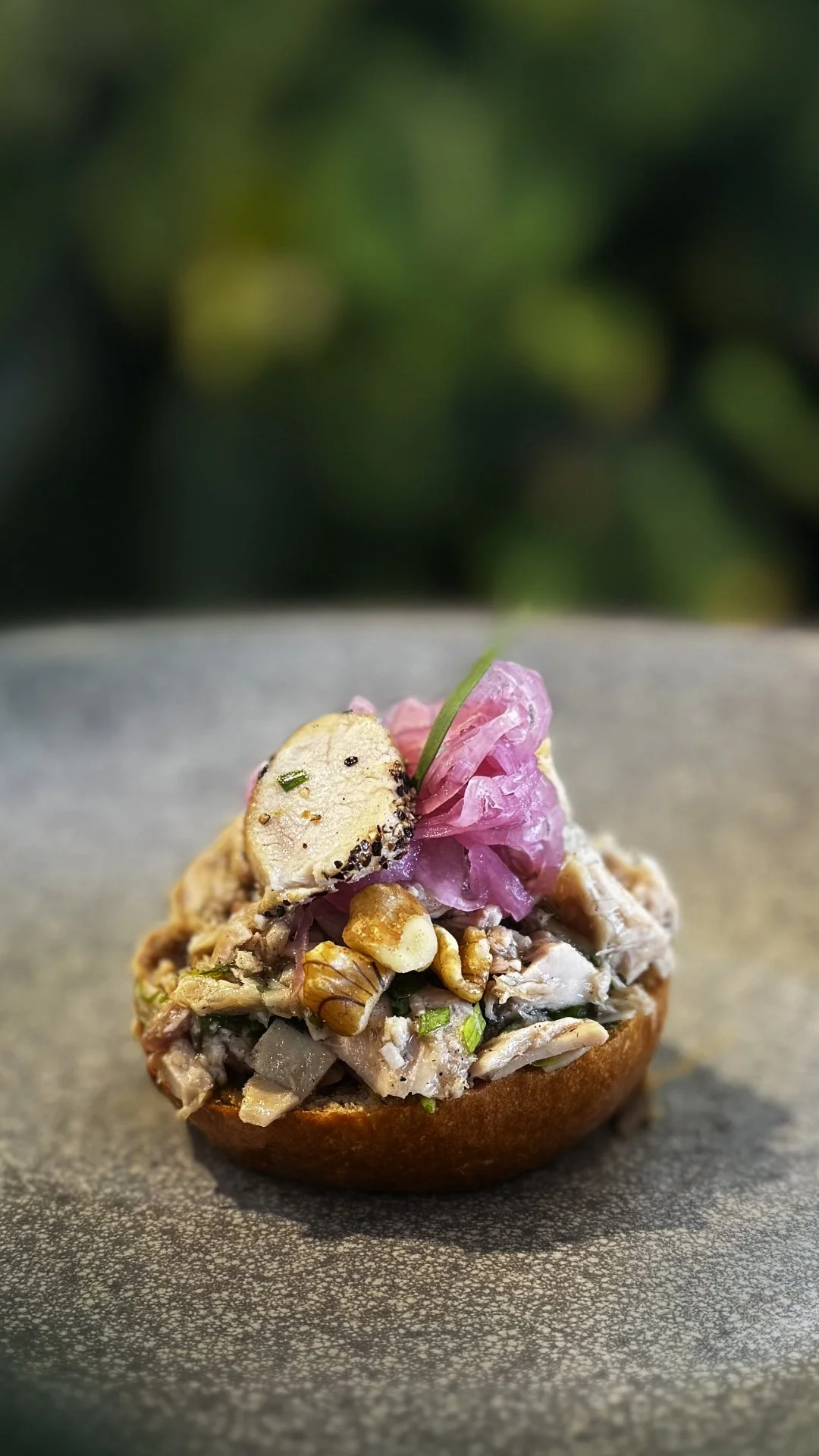


Smoked Texas Brisket Taco
European Green Crab BBQ Sauce, shallot, pickles, corn tortilla.
Chef Joel Barohn

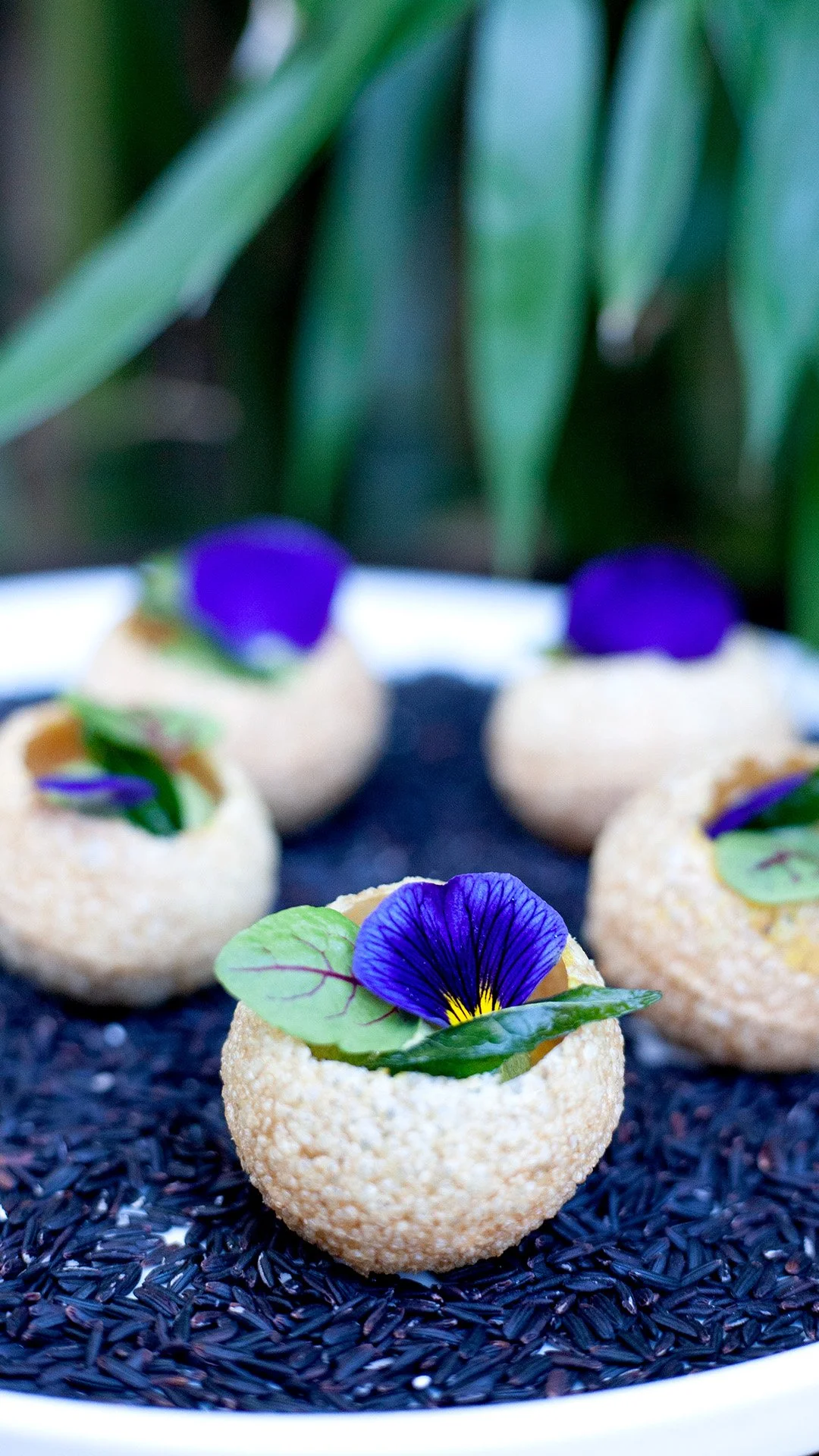
Bamboo Coconut Curry & Spicy Stinging Nettle Chutney
Bamboo and nettle yellow curry in Panipuri.
Chef Thoshan
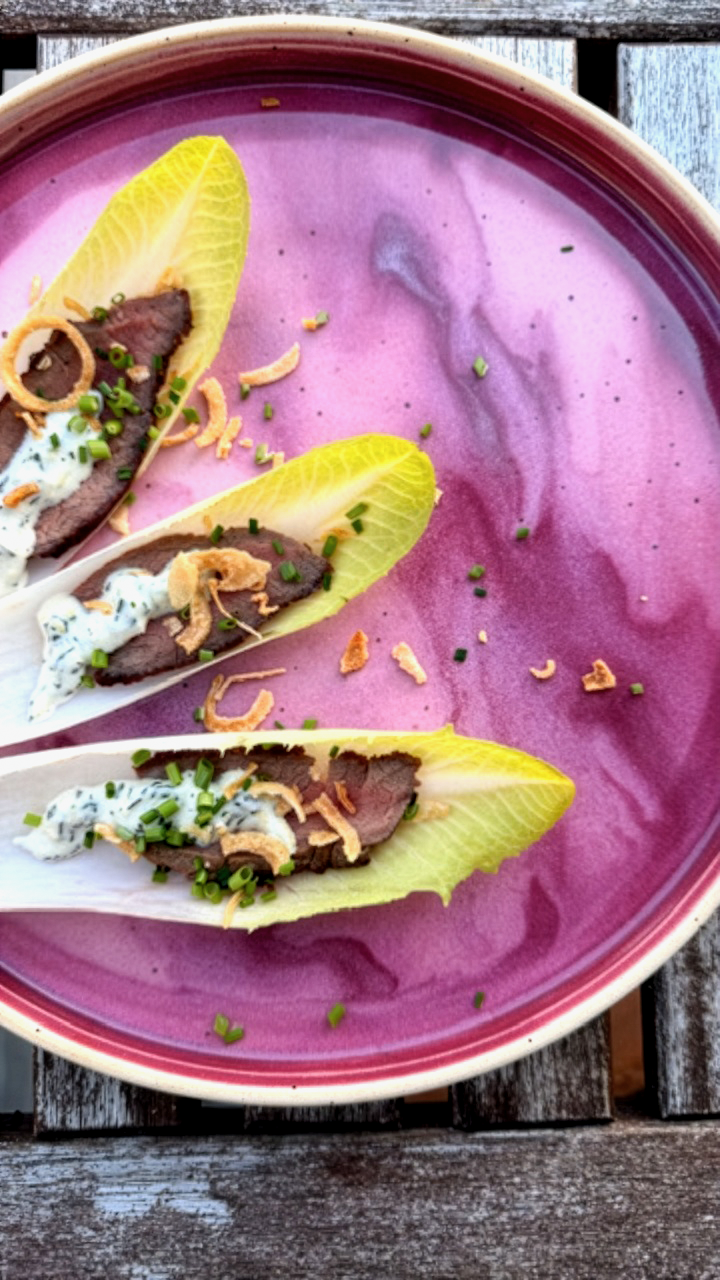
Venison Bite with Creamy Gremolata on Endive
Venison, gremolata, and endives, with crispy shallots and wild onion.
Chef Dylan Eyers

Uni Butter Pasta
Uni pasta with spring peas, rapini, Fleur des Mont cheese, wood sorrel, and chive blossoms.
Chef Robin Kort
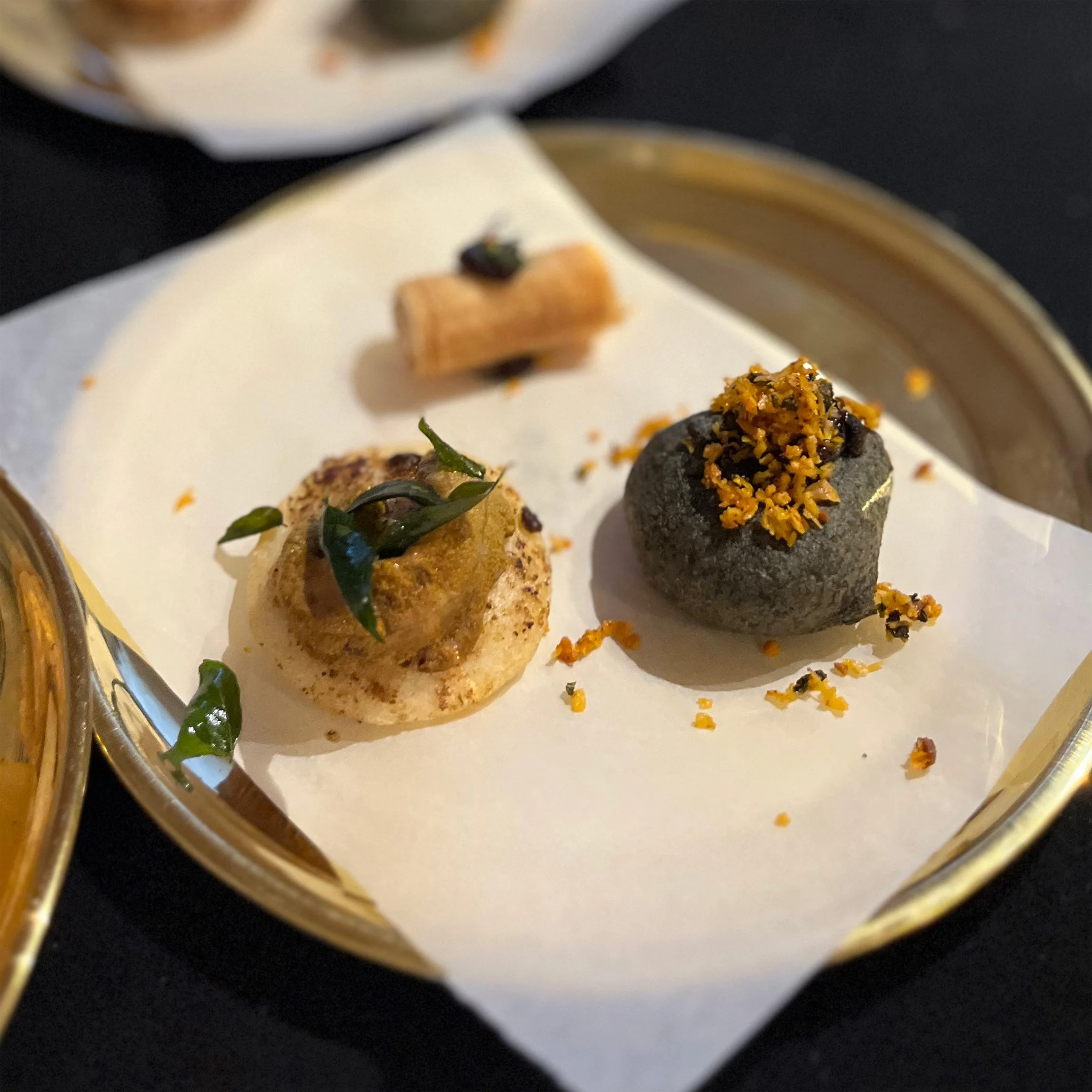
Fried Idli with Uni Butter & Curry Leaf
Idli (fermented rice and lentil cake) fried in uni butter seasoned with podi masala and topped with fresh uni and crispy curry leaf.
Chef Tushar Tondvalkar
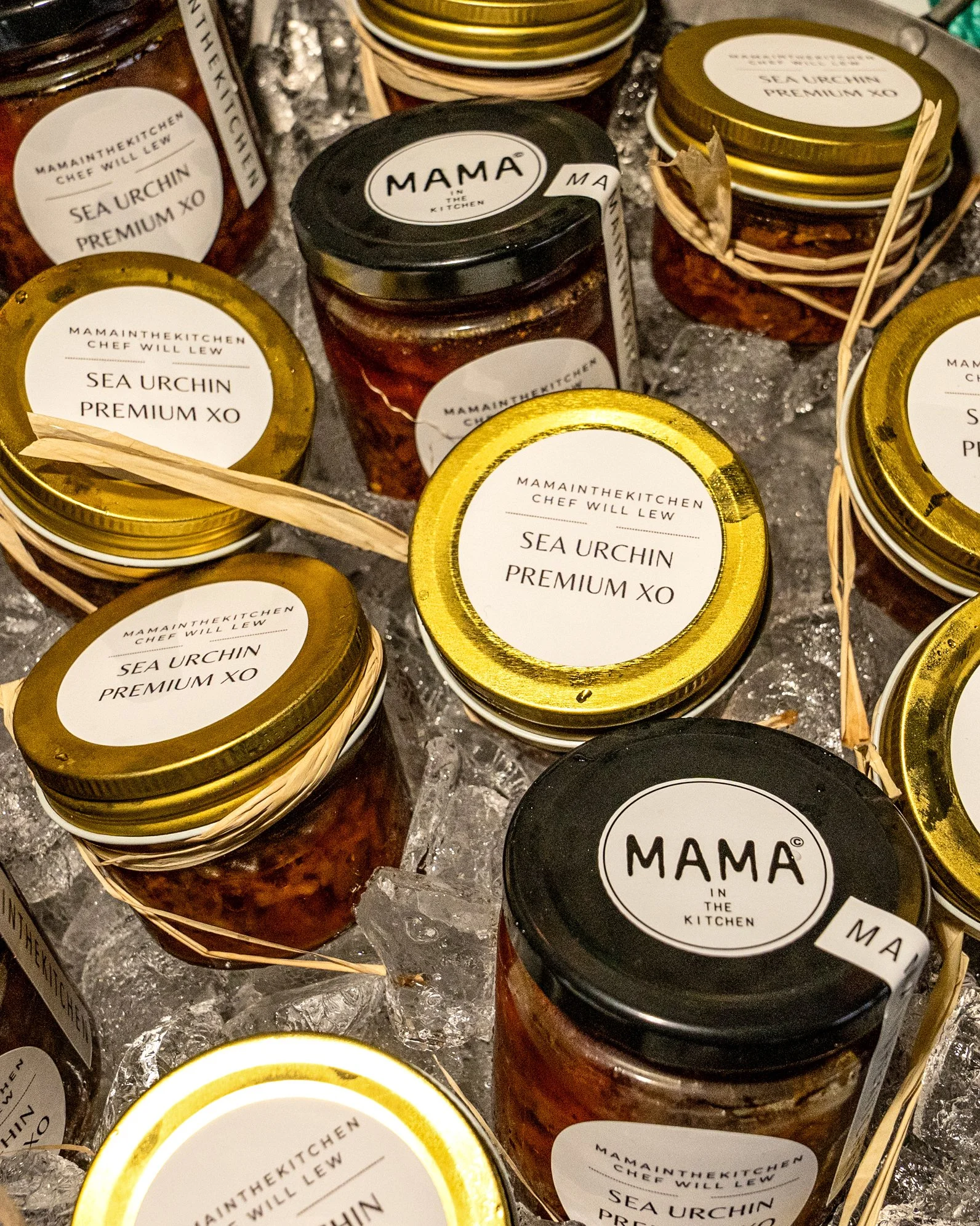
Sea Urchin Premium XO Sauce
Serve with anything, this tasty XO Sauce can bring a crazy pitch of umami & heat. Small batches handcrafted in Vancouver, British Columbia.
Chef Sharon Chan & Chef Will Lew

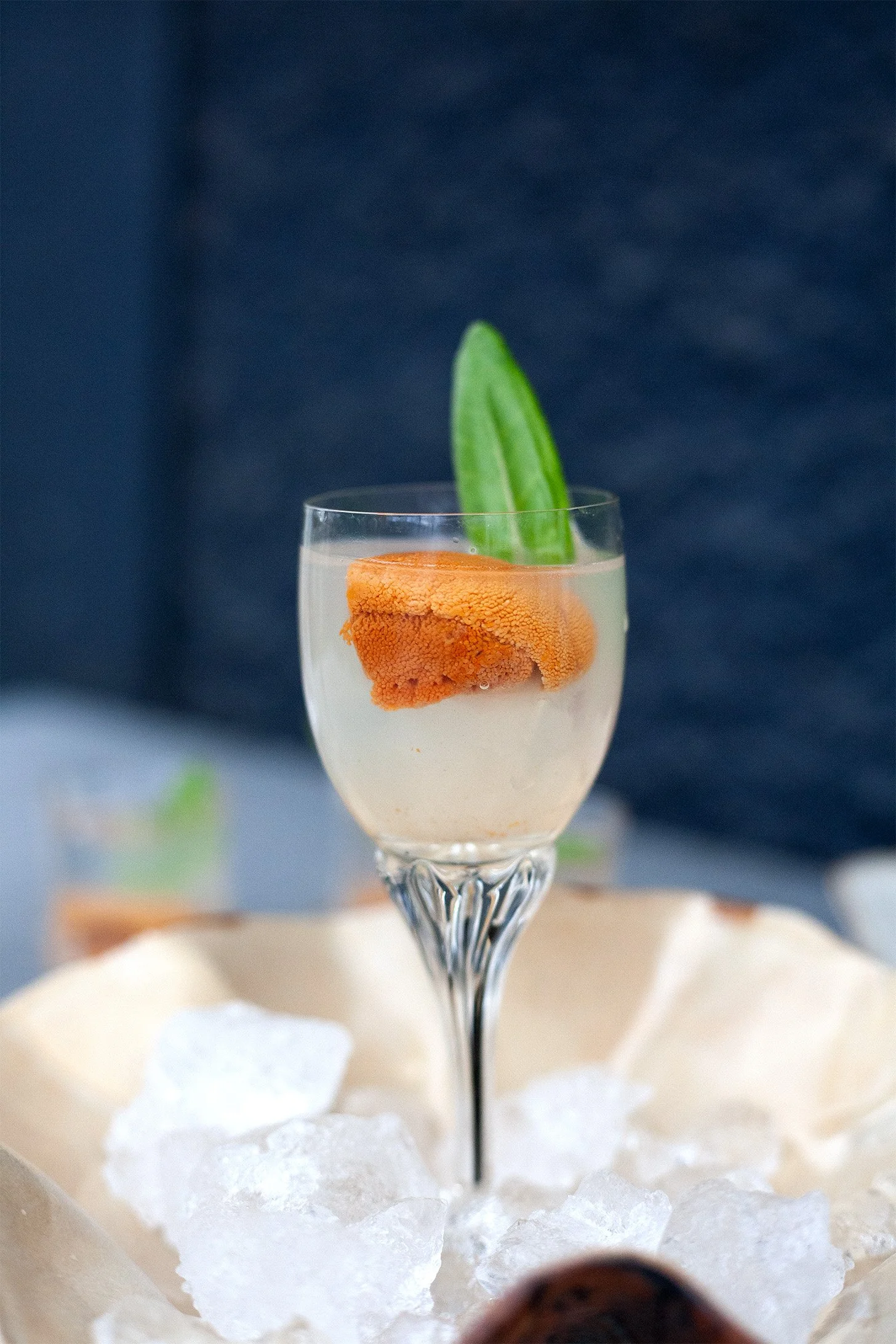
Uni Seaside G&T
Sheringham Distillery Seaside Gin, Tonic, and Unifresco Uni Roe.
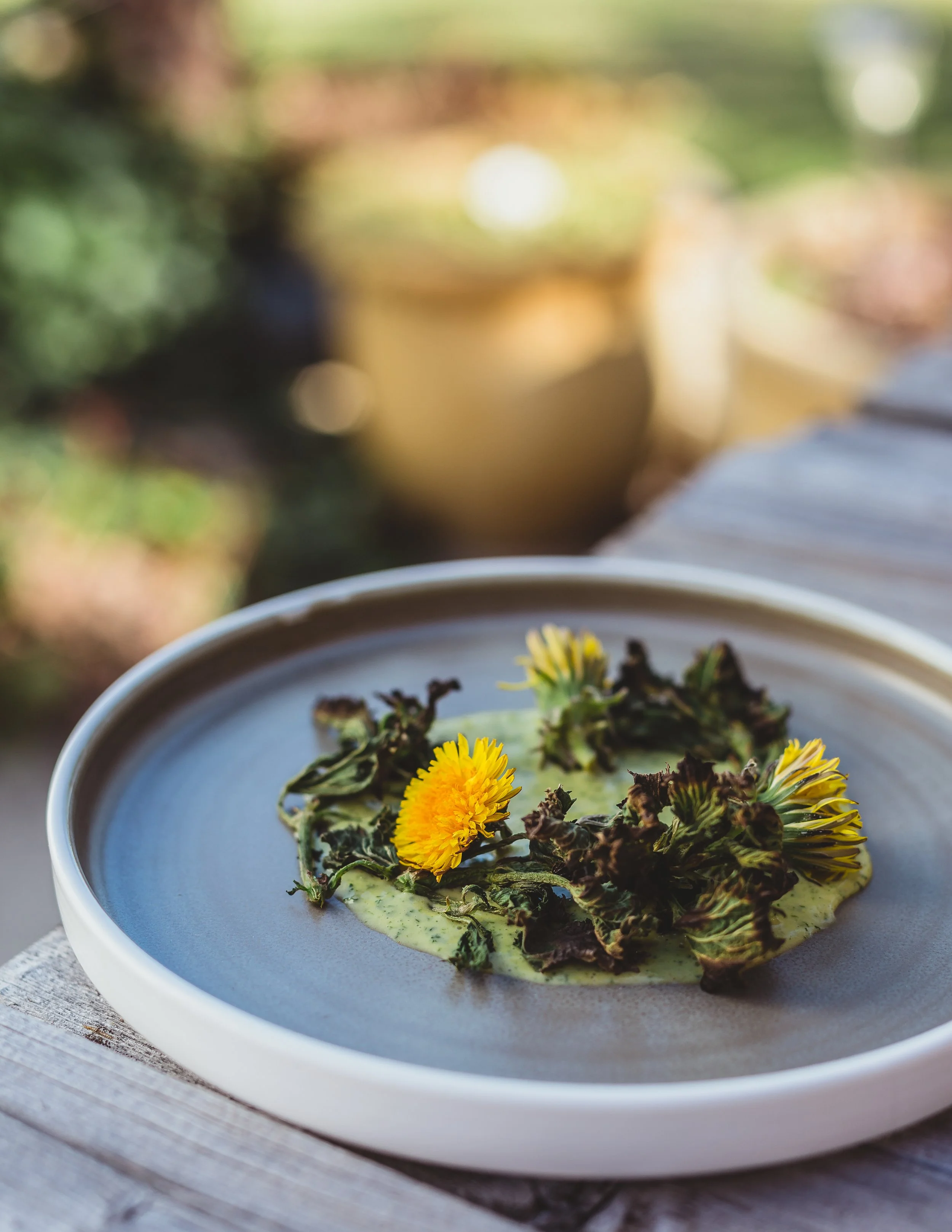
Weed Goddess Salad
Nettle & dandelions with European Mustard Leaf Goddess Dressing.
Chef Paul Rogalski
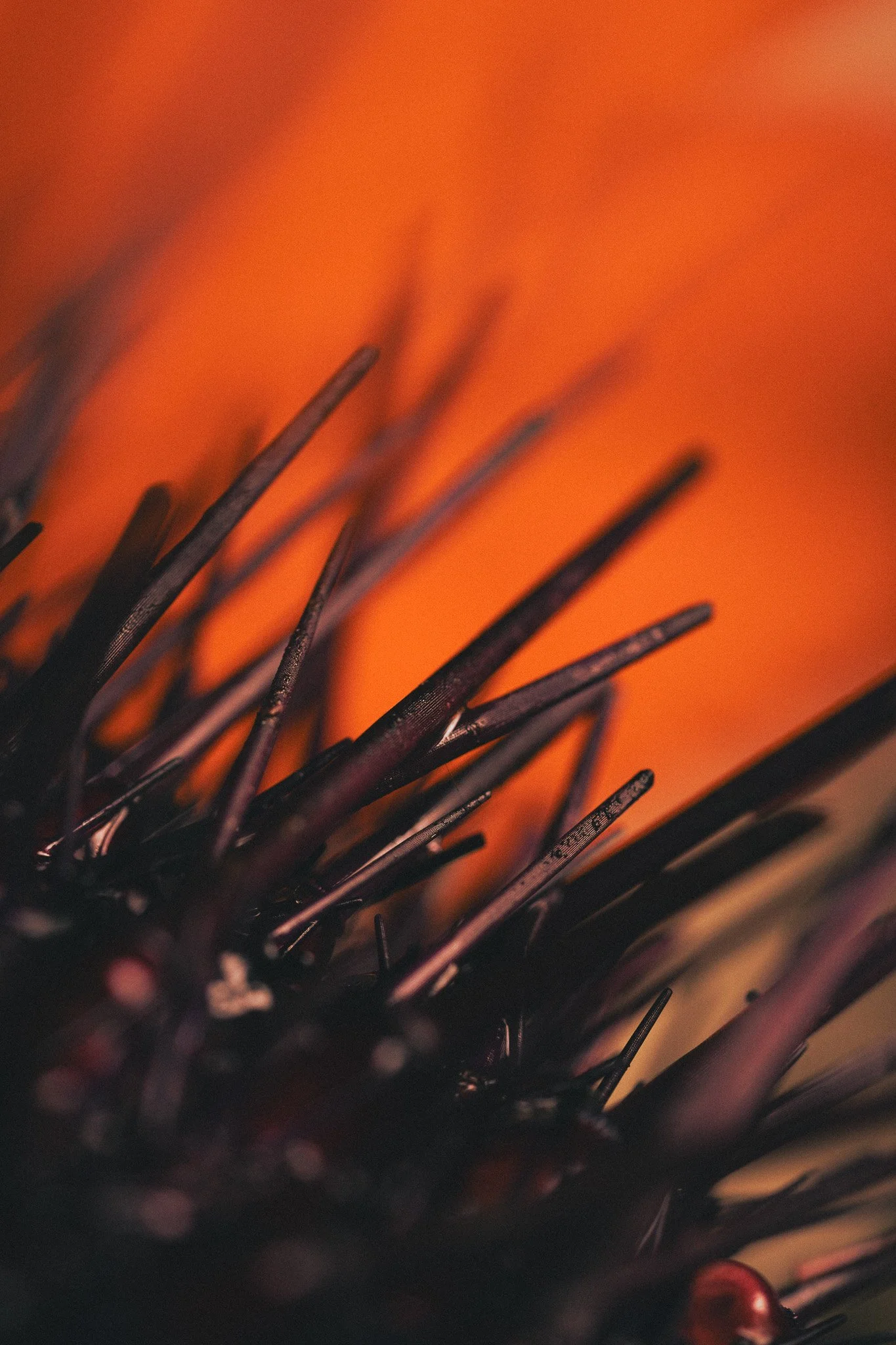
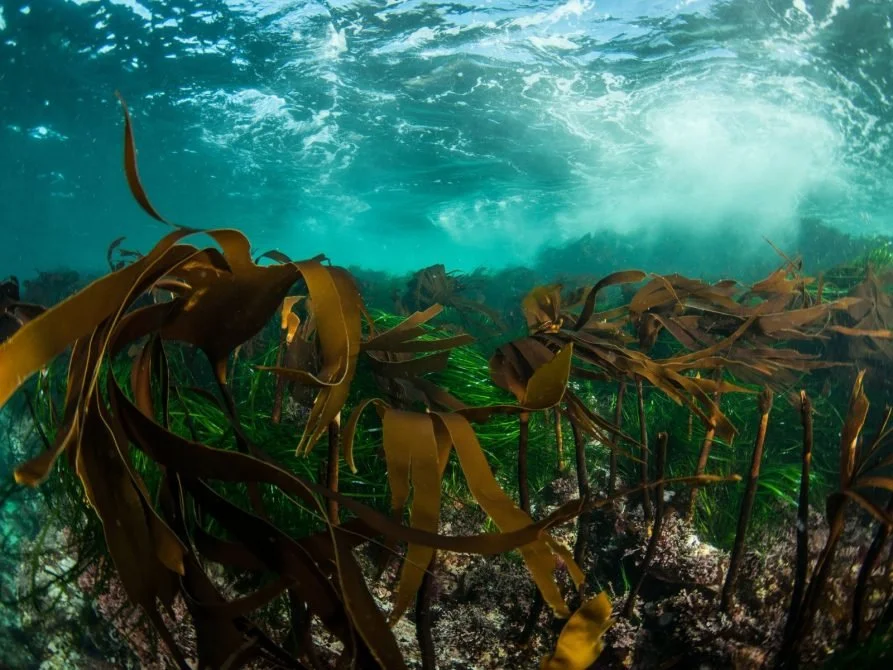
Introduced by Humans. Thriving in Imbalance.
Overabundant and invasive species aren’t the enemy.
They’re symptoms of a deeper imbalance — set in motion by global trade, climate change, and centuries of human disturbance.

Ocean Wise research shows that an overabundance of urchins has contributed to the decline of kelp forests in the Pacific Northwest. With every seafood choice, you can help tip the scales back towards a balanced ecosystem.
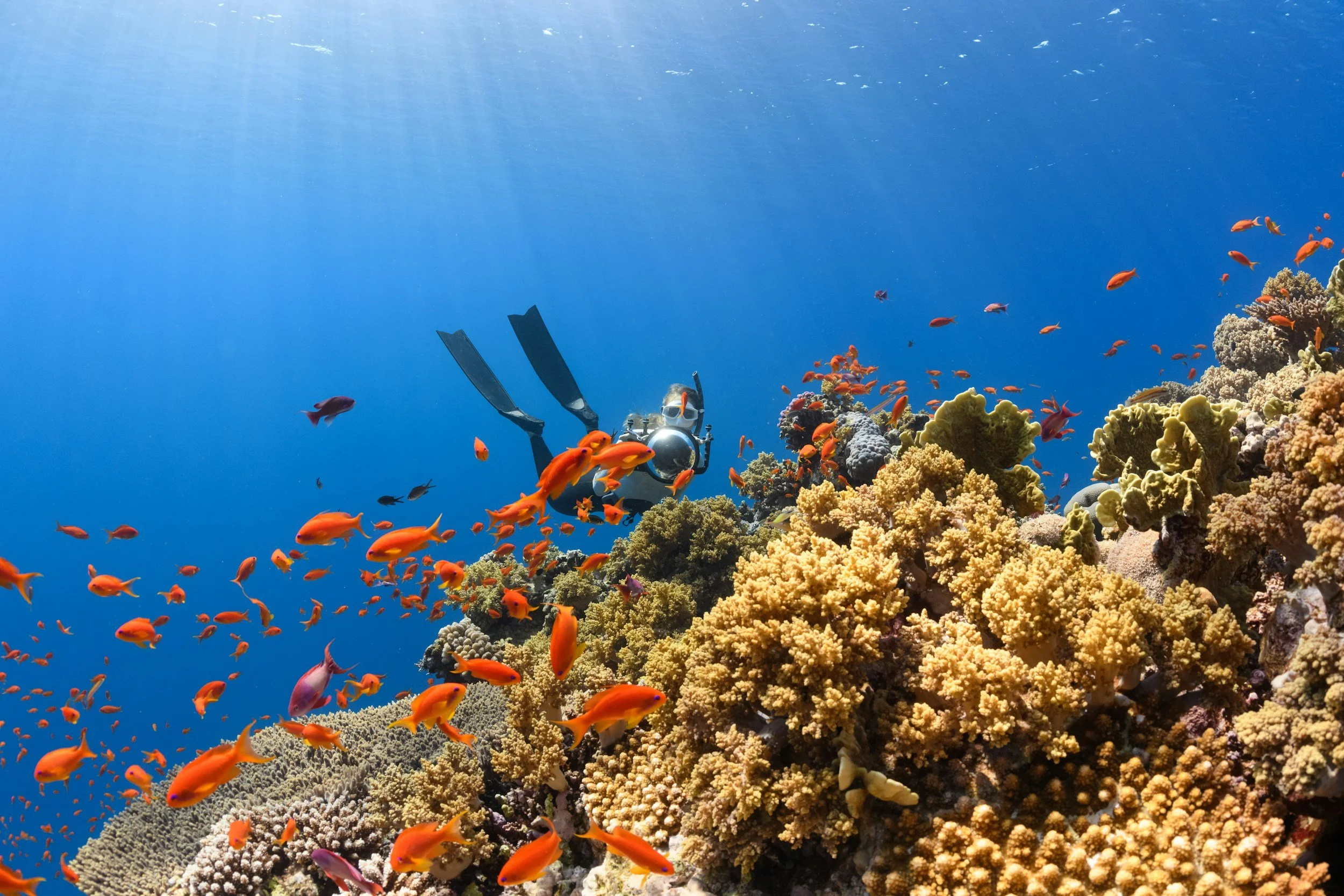
Three billion people rely on seafood as an important source of protein. By choosing overabundant or invasive species for your next meal, you can support Sustainable Fisheries.

The Ecological Crisis We Can Taste
Invasive Species Are Everywhere.
We Just Haven’t Learned to Eat Them

Drink the Invasives — From Weed to Wellness
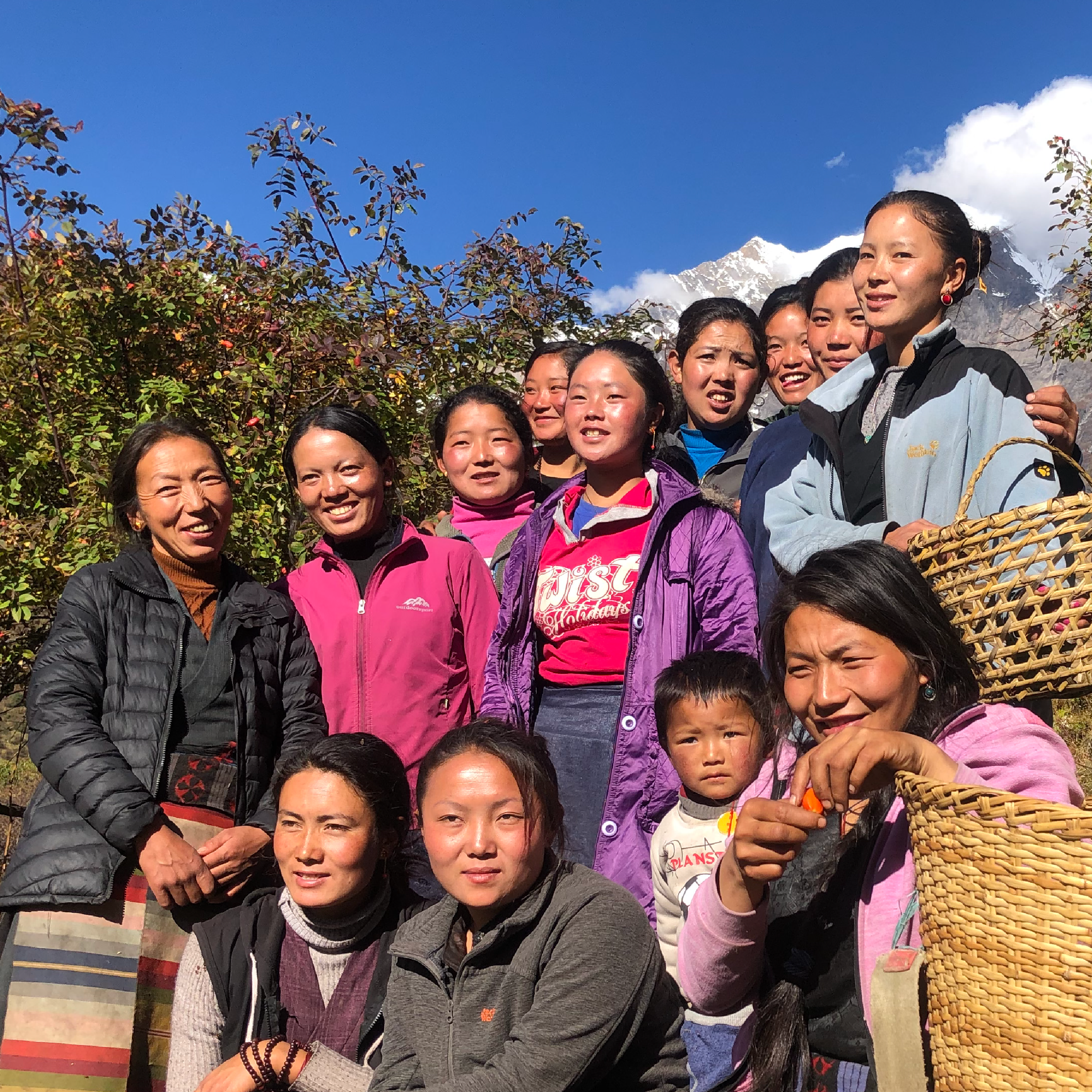
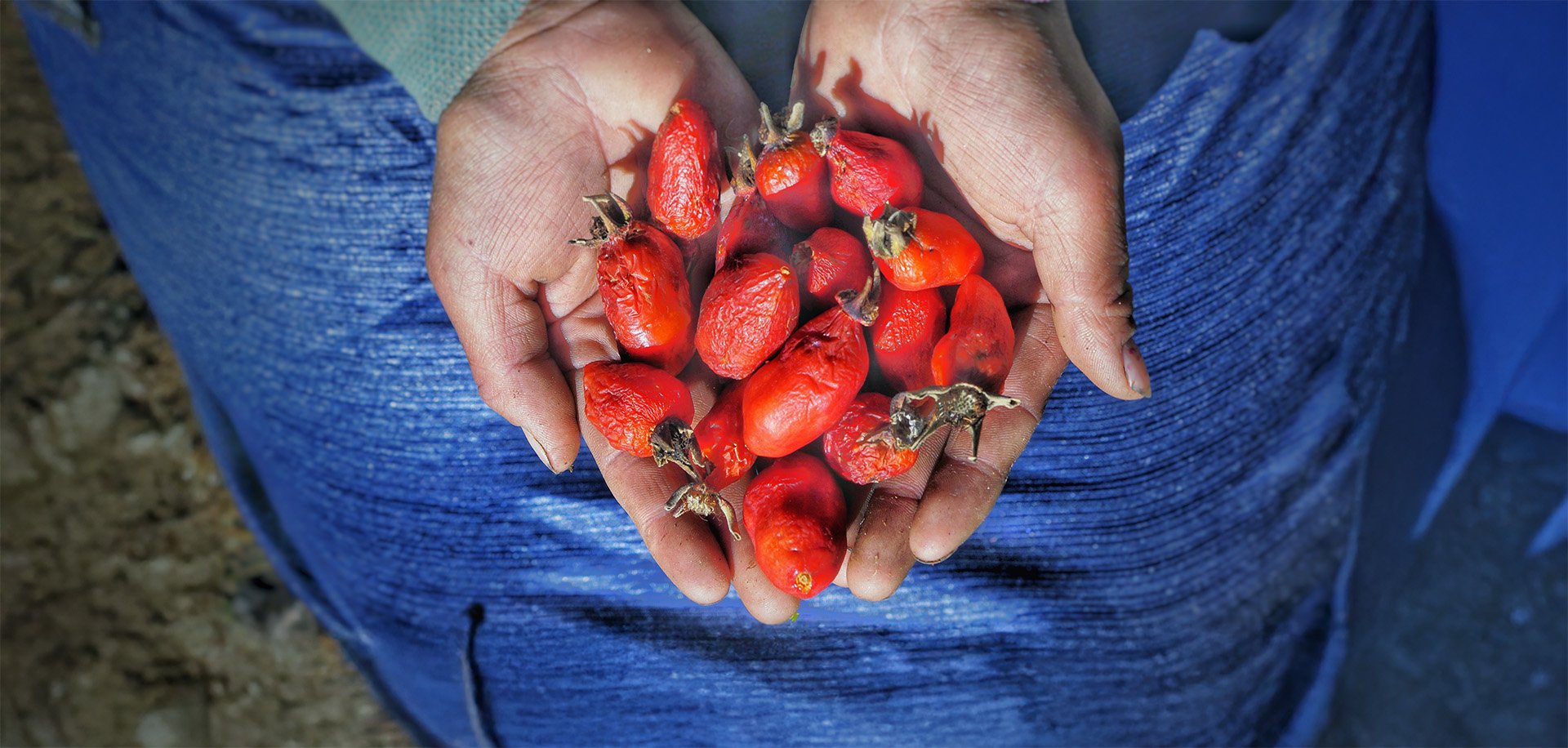
In the high Himalayas of Nubri, Nepal, the wild rose known locally as gob-chi once grew unchecked, overrunning fields and stone walls.
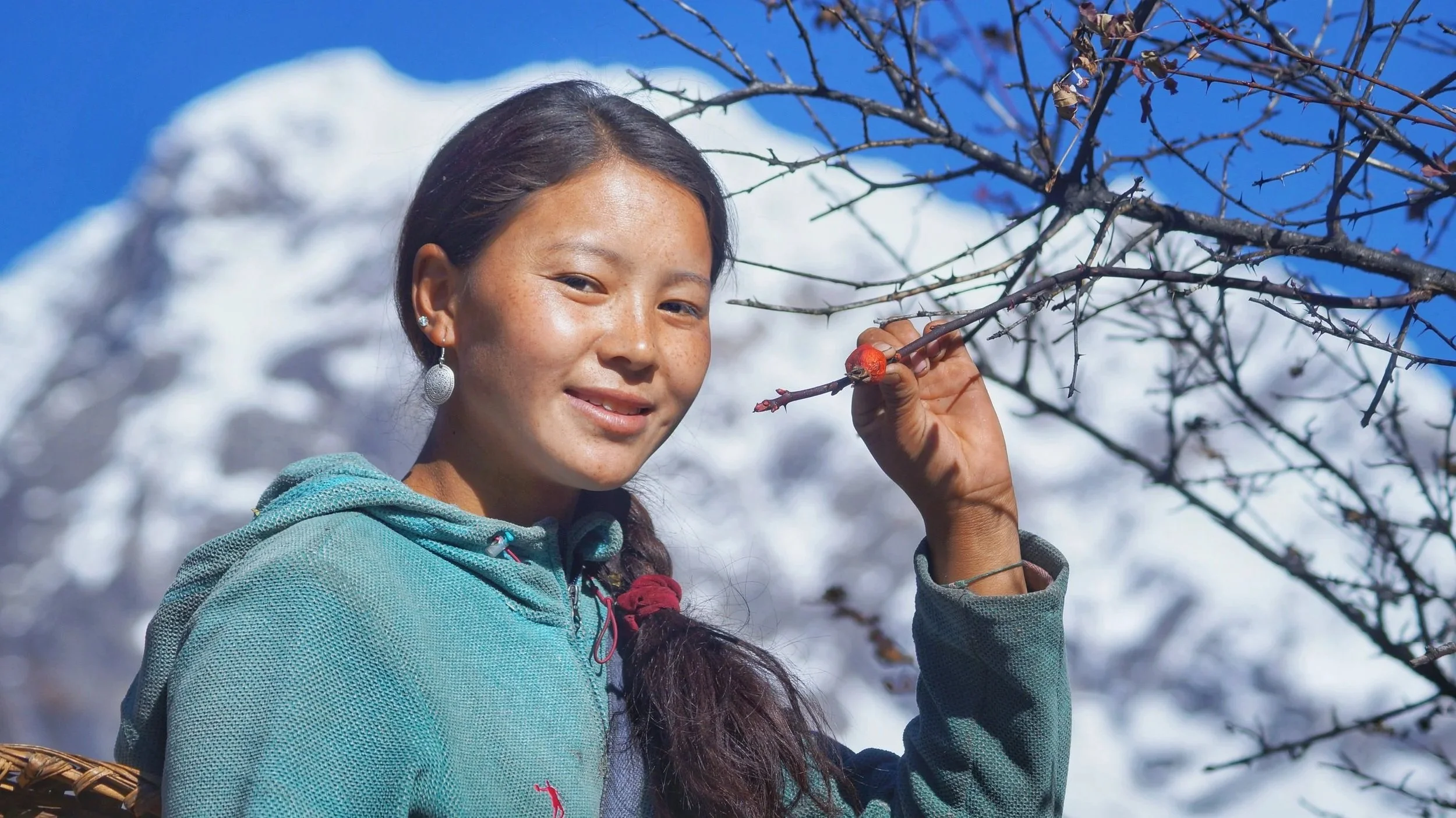
Today, what was once considered a nuisance has been reimagined: its antioxidant-rich fruits, long used in Tibetan herbal teas for their nourishing qualities, now form the basis of a new community-led value chain.
Through partnerships with TEALEAVES and H.E.L.P, villagers are turning an invasive plant into a source of pride, livelihood, and well-being.
Watch this short video to see how biodiversity loss, isolation, and climate challenges have shaped life in Samagaun, and how the community is working to build a more resilient future.


H.E.L.P was awarded the UN Equator Prize 2023 for this initiative.
Discover Wild Himalayan Mountain Tea, a rare TEALEAVES blend infused with the vibrant gob-chi berry.
Connect With Us